Deploy CDM through Microsoft Intune using the MSI file
Deploying CDM through Microsoft Intune allows it to interact with devices and applications managed by Microsoft Intune. Before you begin, you'll need to do the following:
-
Download the intunewin package from the Downloads page in Iris. Depending on your environment, the Downloads page includes an intunewin package for both x64 and ARM64 devices.
-
Once downloaded, you will notice that the following file is available in the C:\Users\UserName\Downloads folder: CloudDriveMapper.intunewin.
-
Ensure you’ve installed Microsoft .NET Desktop Runtime 10.0 before deploying CDM, as the MSI file can’t install it at the beginning of the installation process due to the way its execution sequence works.
-
You’ll also need your license key, which you can copy from the CDM Dashboard in Iris.
-
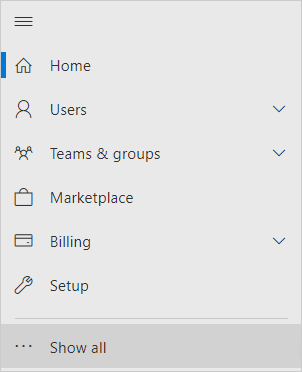
Log in to the Microsoft 365 admin center and select Show all from the Navigation menu.

-
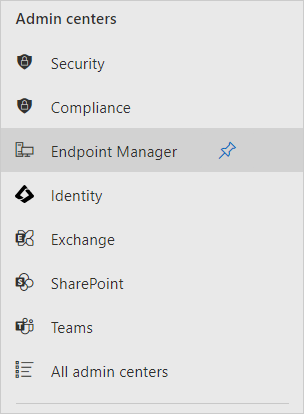
Select Microsoft Intune to open the Microsoft Intune admin center.
-
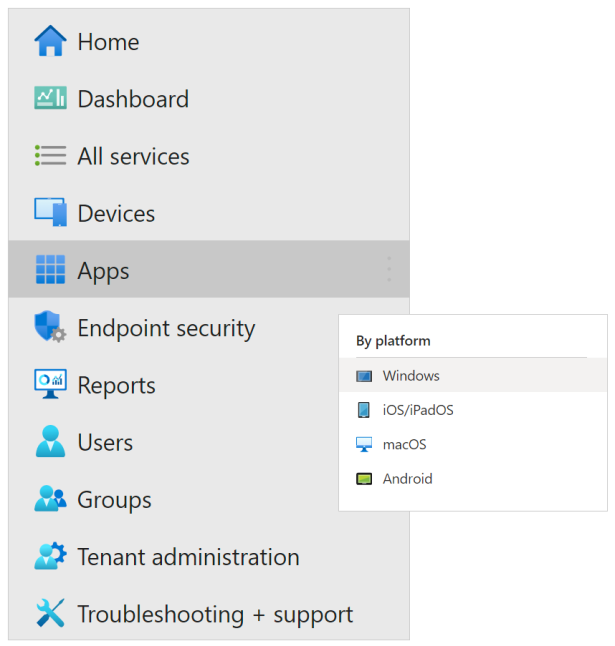
Select Apps from the Navigation menu then Windows on the Apps | Overview page.
-
Select Create on the Windows | Windows apps page then Windows app (Win32) from the App type list.
-
Click Select to go to the Add App page.
-
Click Select app package file on the Add App page and then the Select a file button to upload the CloudDriveMapper.intunewin file.
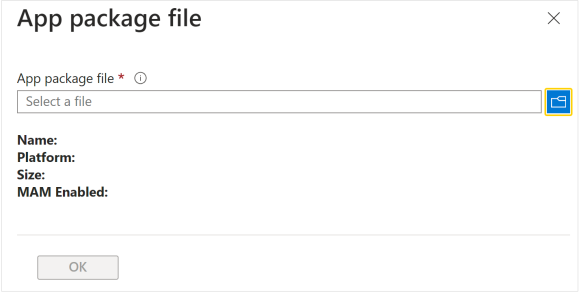
This is the .intunewin file you downloaded from Iris (the IAM Cloud portal) and saved at the following location earlier: C:\Users\UserName\Download.
-
Select OK.
-
In the App Information section, type IAM Technology Group Limited in the Publisher box, and copy the value in the App Version box. You'll use this value later in the procedure.
-
Update other settings as desired or leave these as default and then select Next.
-
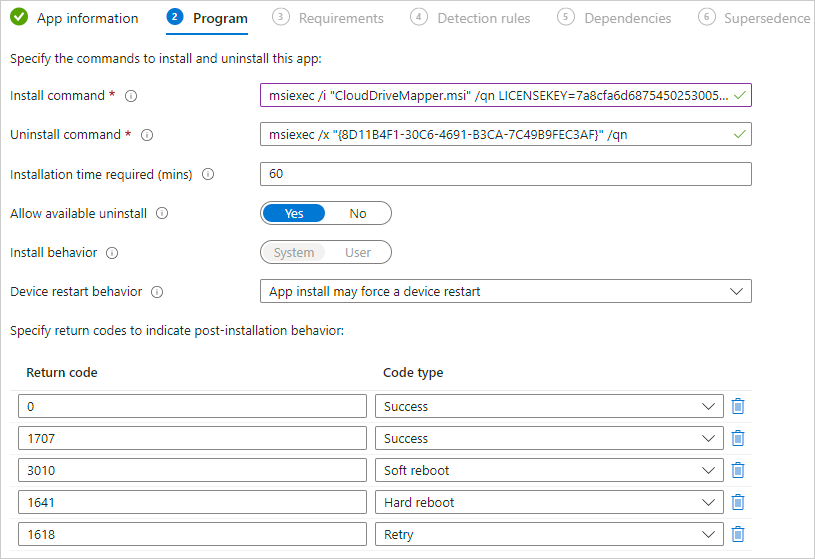
In the Program section, type the complete installation command in the Install command box: msiexec /i "CloudDriveMapper.msi" /qn LICENSEKEY=your license key.
For more information about command-line parameters that can be passed to CDM installers when deploying CDM through the command-line interface, see Command-line parameters.
-
Leave all other settings as default and select Next.
-
In the Requirements section, select Yes. Specify the system the app can be installed on. for Check operating system architecture, and then do the following:
-
If you’re deploying CDM through Microsoft Intune to x64 devices, select Install on x64 system.
-
If you’re deploying CDM through Microsoft Intune to ARM64 devices, select Install on ARM64 system.
-
Select Any version of Windows 10 (or higher from the Minimum operating system list.
-
Leave all other settings as default and select Next.
-
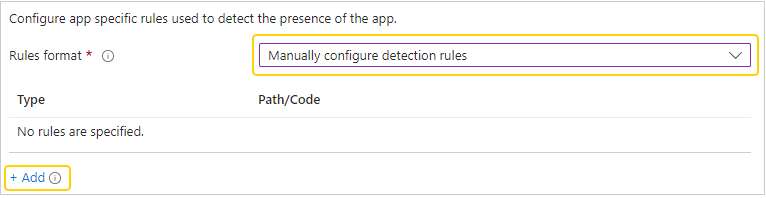
In the Detection rules section, select Manually configure detection rules from the Rules format list to detect the presence of the app and then + Add to create a detection rule.
-
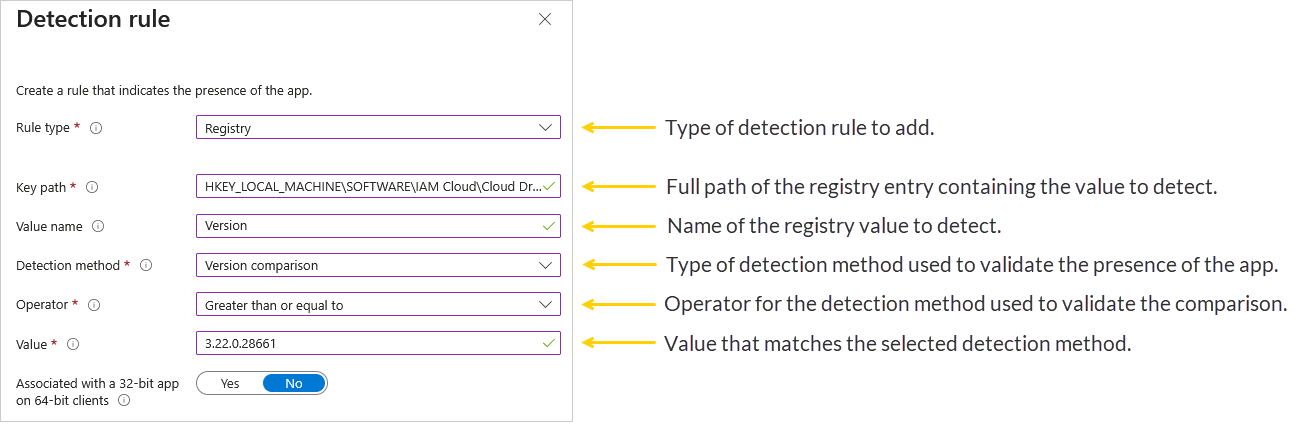
Do the following in the Detection rule blade and then select OK:
-
Select Registry from the Rule type list.
-
Type the full path of the registry entry containing the value to detect in the Key path box. For example, HKEY_LOCAL_MACHINE\SOFTWARE\IAM Cloud\Cloud Drive Mapper.
-
Type Version in the Value name box.
-
Select Version comparison from the Detection method list.
-
Select Greater than or equal to from the Operator list.
-
Paste the value copied from the App Version box earlier into the Value box.
-
Leave Associated with a 32-bit app on 64-bit clients as the default.
-
Select Next.
-
In the Dependencies section, select Next.
-
In the Supersedence section, select Next.
-
In the Assignments section, specify an assignment group for deployment based on your corporate deployment policy and then select Next.
-
Review the settings summary in the Review + create section and select Create to complete deploying CDM through Microsoft Intune using the MSI file.